Senegal: Scaling up beneficial ownership transparency through legal reform
Key messages
- Opening Extractives supported legal reforms, including a new decree to enable public access to ownership data and introduce sanctions for non-compliance.
- Senegal increased its beneficial ownership declarations from 13 companies in 2021 to 628 companies in 2024, marking a major step forward in transparency.
- Targeted training for registry officials and judicial staff across all regions strengthened the functionality and use of the corporate register.
- Improved data analysis and cross-border checks on company ownership facilitated peer learning with Côte d’Ivoire and enhanced data reliability.
The challenge: Lack of access to beneficial ownership information and tackling opacity in company ownership
Nearly 400 companies operate in Senegal’s extractive industries, yet for decades their ownership structures have remained opaque. A 2018 regional anti-money laundering review by GIABA found that Senegal lacked adequate legal tools to identify beneficial owners, leaving the sector vulnerable to corruption, mismanagement and illicit financial flows.
In response, Senegal adopted Presidential Decree No. 2020-791 in March 2020, requiring extractive companies and their contractors to declare their beneficial owners to the Registre du Commerce et du Crédit Mobilier (RCCM), Senegal’s corporate register. While the decree represented progress, its impact and scope was limited. It applied only to the extractive sector, did not clearly provide for public access and lacked enforcement mechanisms, such as sanctions for non-compliance. Access to beneficial ownership information was further limited to only parties with a "legitimate interest", as determined by a judge.
As a result, compliance remained extremely low. Between 2021 and 2022, only 13 declarations were submitted, despite more than 20 listed extractive companies operating in the country. Although Senegal EITI initially published some beneficial ownership data, this information was later withdrawn due to legal uncertainty and a lack of consensus among stakeholders.
Senegal joined the Opening Extractives programme in 2022 at a critical moment. Political will for reform was emerging, but key regulatory gaps and institutional weaknesses persisted. The Opening Extractives team worked alongside national authorities, civil society and the EITI multi-stakeholder group to strengthen data collection, support legal reform and build trust across institutions – helping transform fragmented efforts into a more coordinated and strategic approach to transparency.
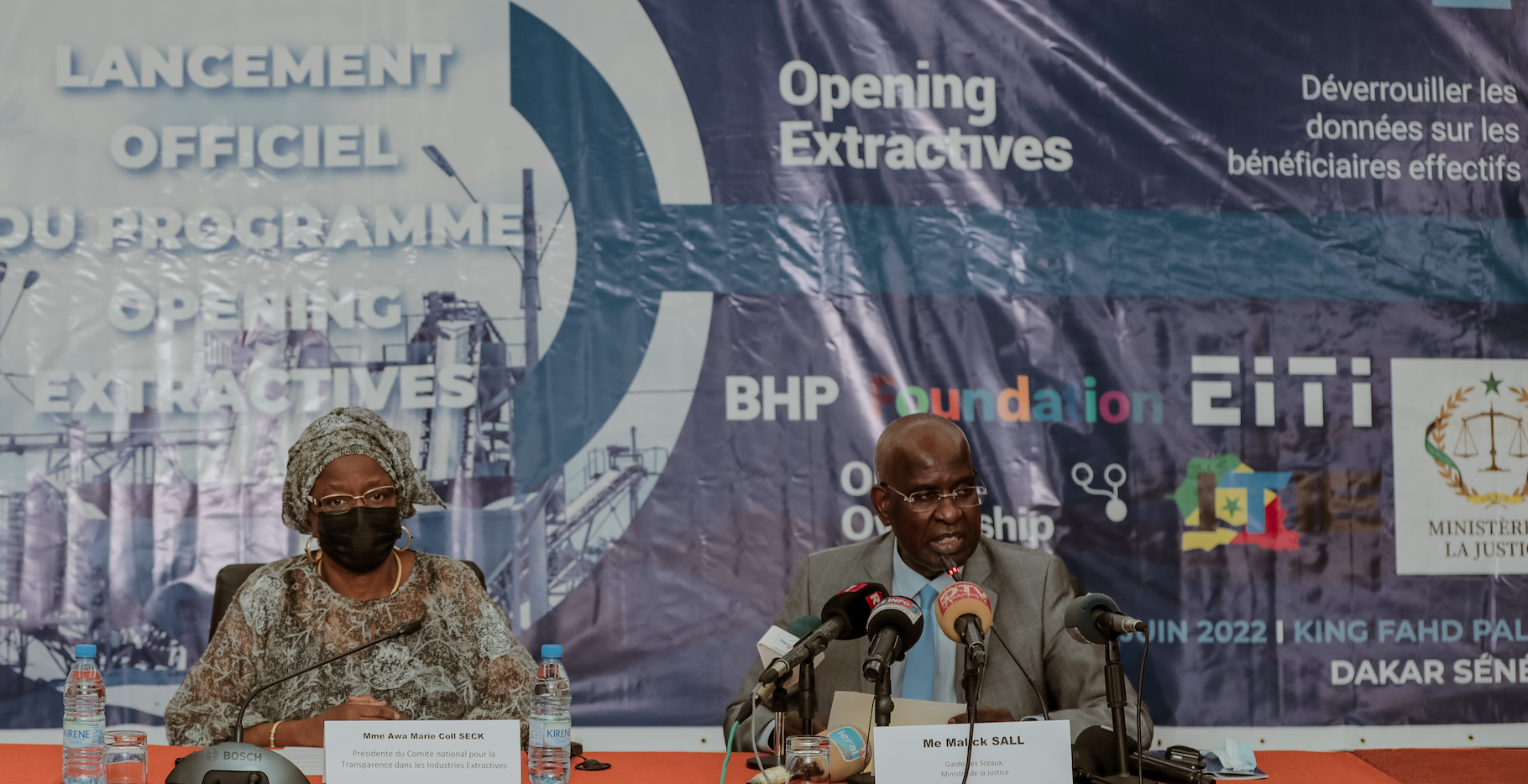
The launch of the Opening Extractive programme in Dakar, Senegal in 2022.
Results and impact
1. Legal reforms to enable public access
Building on the Opening Extractives’ 2022 scoping report and sustained engagement with the Ministry of Justice, a new decree (No. 2025-1354) was adopted in August 2025 to address the shortcomings of the 2020 regulation. Key changes include:
- Revising Article 4 to remove outdated anti-money laundering references
- Amending Article 7 to introduce sanctions for companies that fail to declare beneficial owners
- Revising Article 12 to remove the “legitimate interest” clause, enabling public access to beneficial ownership data
These reforms align with President Diomaye Faye’s 2024 address committing to improved governance in the extractive sector. The draft decree was adopted and presented at a stakeholder workshop in April 2025.
“In addition to the mining, oil and gas contracts already posted on the EITI Senegal website, I will proceed with the disclosure of the beneficial ownership of extractive companies, in accordance with the EITI Standard.” – Bassirou Diomaye Faye, President of Senegal
2. Increase in beneficial ownership declarations
Opening Extractives partnered with Senegal EITI to raise awareness of beneficial ownership requirements and strengthen institutional capacity. The programme supported training for judges and registry clerks from all 14 regions, improving the ability of local registries to process declarations consistently and efficiently.
As a result, according to the Ministry of Justice, 628 extractive companies had declared their beneficial owners by the end of the 2024 fiscal year, compared to just 13 declarations in 2021. This included disclosures from major companies supporting the EITI process, such as Barrick Gold and Endeavour Mining.
The RCCM also began cross-checking beneficial ownership data with the mining cadastre, enabling the Ministry of Mines to identify companies operating without declared beneficial owners. This helped reveal gaps in compliance, particularly in high-revenue sectors such as phosphate mining and petroleum, and reinforced the role of beneficial ownership data as a tool for oversight and accountability.
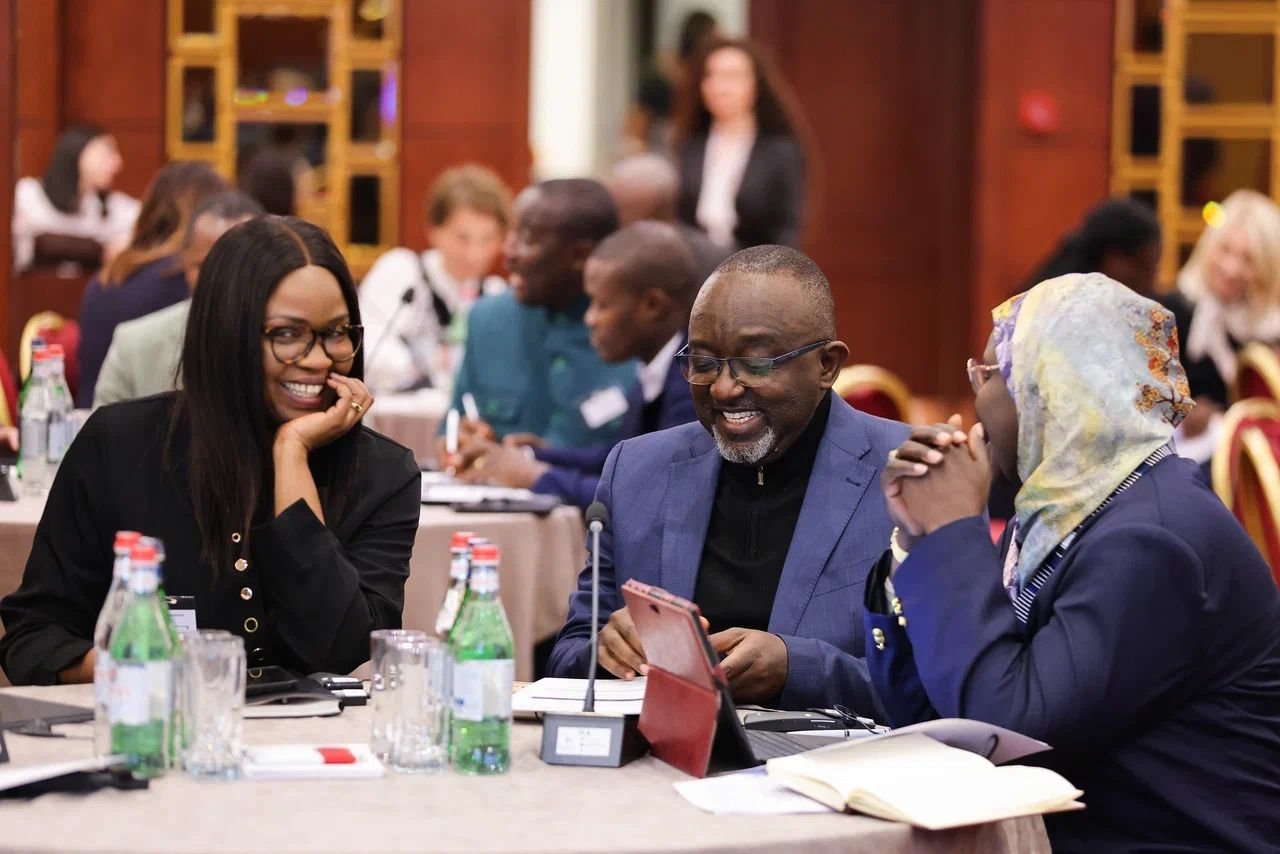
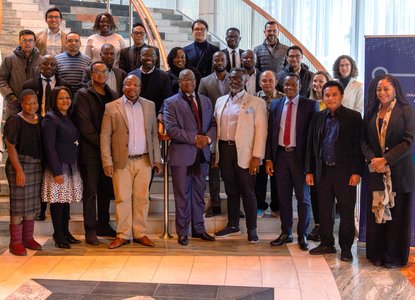
Participants from Senegal and the Democratic Republic of the Congo at the Opening Extractives Global Peer Exchange in Armenia in 2025.
3. Stronger enforcement through systematic checks
With support from Opening Extractives, Senegal EITI worked with the Ministry of Mines and other authorities to strengthen the systematic verification of company compliance. When companies apply for new permits, the ministry now requests proof of beneficial ownership declaration, strengthening enforcement at the point of licensing.
This stocktaking process has exposed discrepancies between regulatory requirements and actual compliance, allowing authorities to better target oversight efforts and improve the practical application of transparency rules.
“Senegal's progress in beneficial ownership transparency reflects a growing national commitment to strengthening accountability in the extractive sector. The country's reforms have been supported by programmes such as the Opening Extractives programme, which has provided technical assistance and recommendations that have helped to embed beneficial ownership practices more firmly in national systems.” – Oumy Sambe Thiandoum, Head of the Beneficial Owners Register, Senegal
4. Cross-country learning and improved data reliability
Peer exchanges facilitated by Opening Extractives enabled Senegal and Côte d’Ivoire strengthen the collection of quality data. Senegal shared tools to assess data comprehensiveness and reliability, while Côte d’Ivoire’s experience with a public platform informed Senegal’s legislative reforms on access.
Using data from Nigeria and cross-border subsidiaries like Endeavour Mining, the two countries compared records and verified consistency across jurisdictions. These exchanges strengthened the case for structured data analysis and demonstrated the value of regional cooperation in improving transparency.
“Disclosure of beneficial owners, the individuals who actually control or own companies, is not a mere administrative formality. It is a lever for security and development. For the state, it is a matter of economic sovereignty and the fight against tax evasion. For companies, it is a guarantee of healthy competition and facilitated due diligence. For civil society, it is a tool for citizen control to ensure that resources benefit the nation and not hidden interests or politically exposed persons (PEPs).” – Thaddée Seck, National Coordinator, EITI Senegal
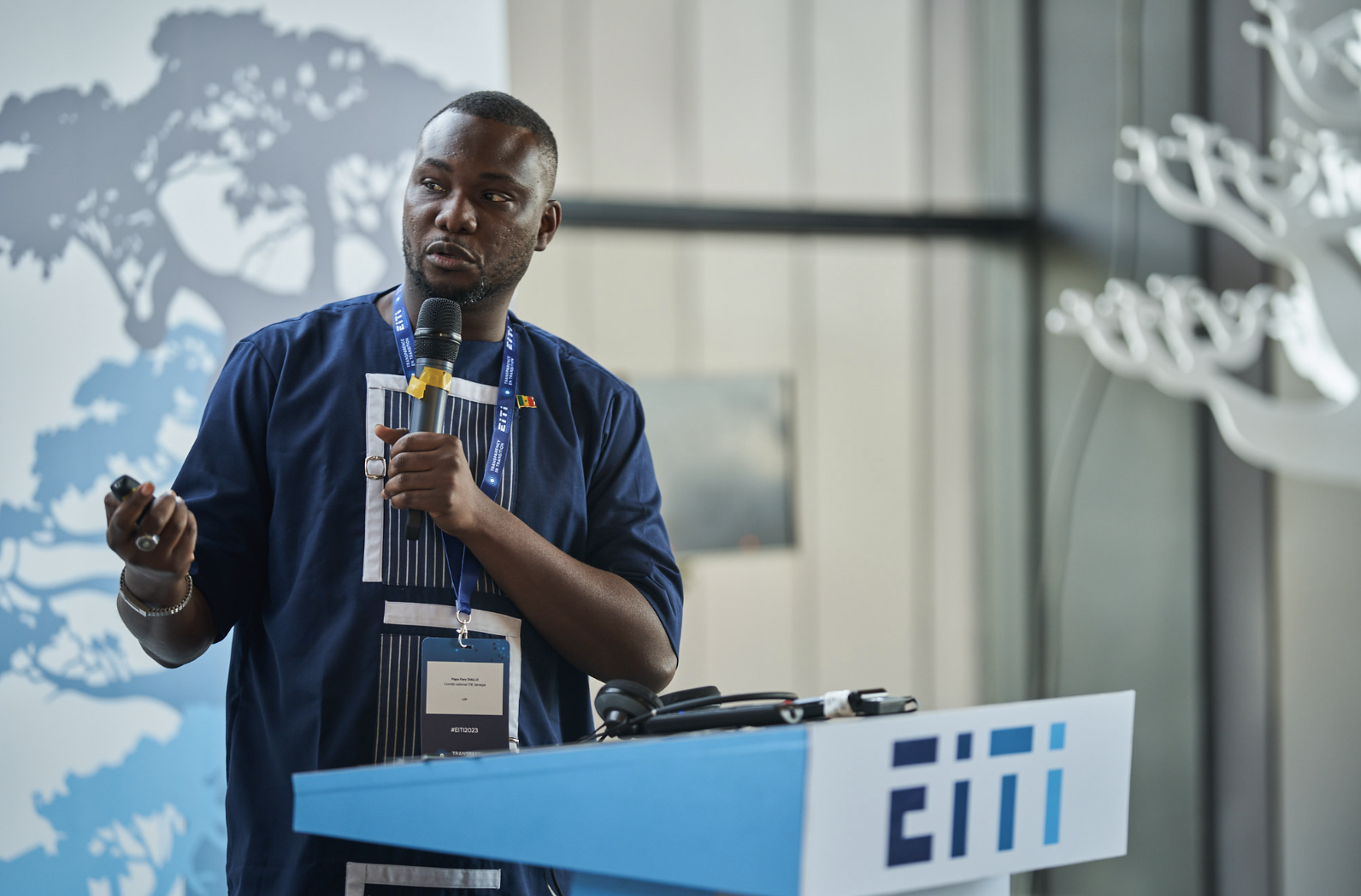
A presentation by EITI Senegal at the EITI Innovation Talks in June 2023.
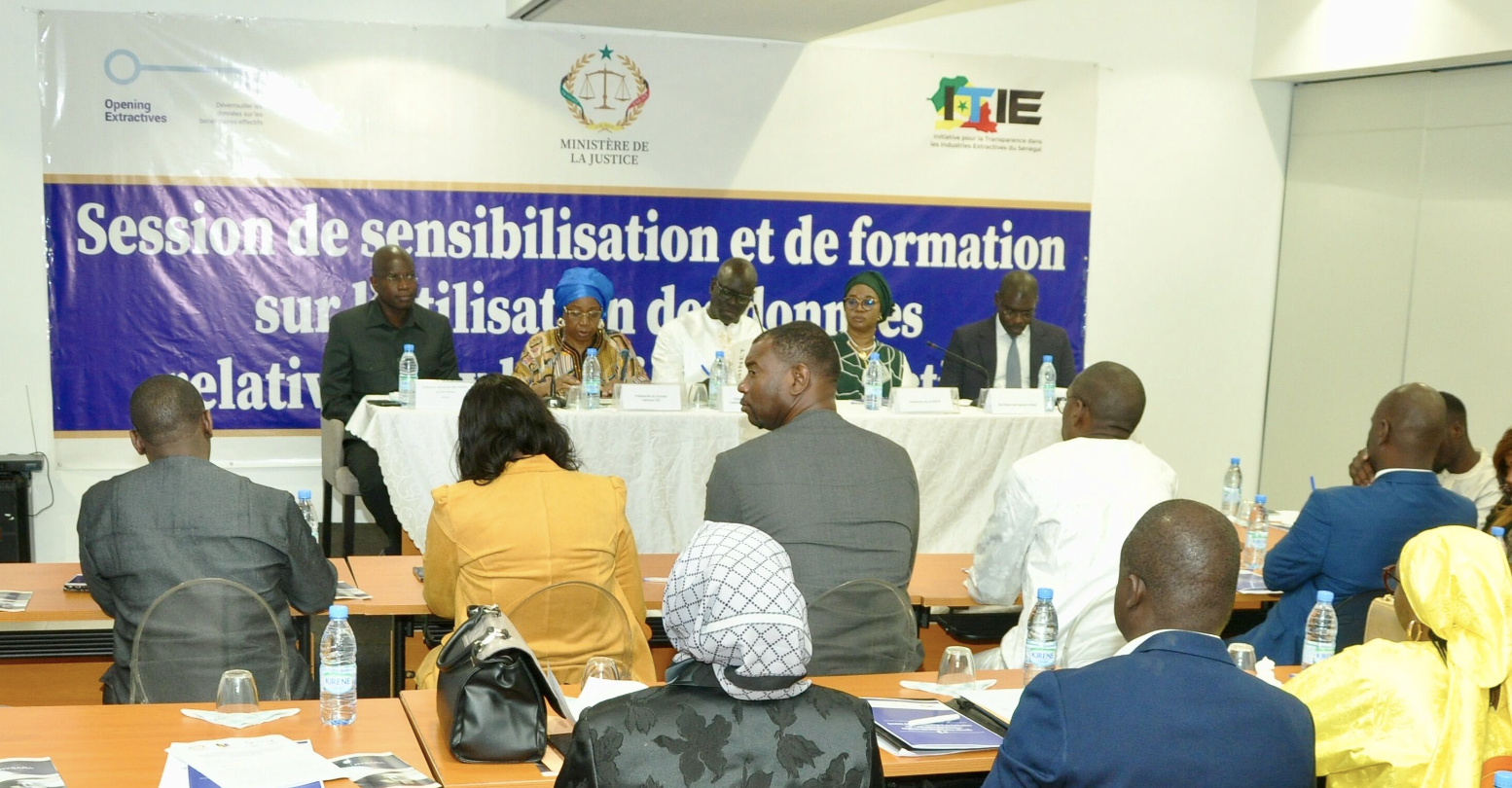
Legal clerks from Senegal's Ministry of Justice gather for an Opening Extractives training workshop.
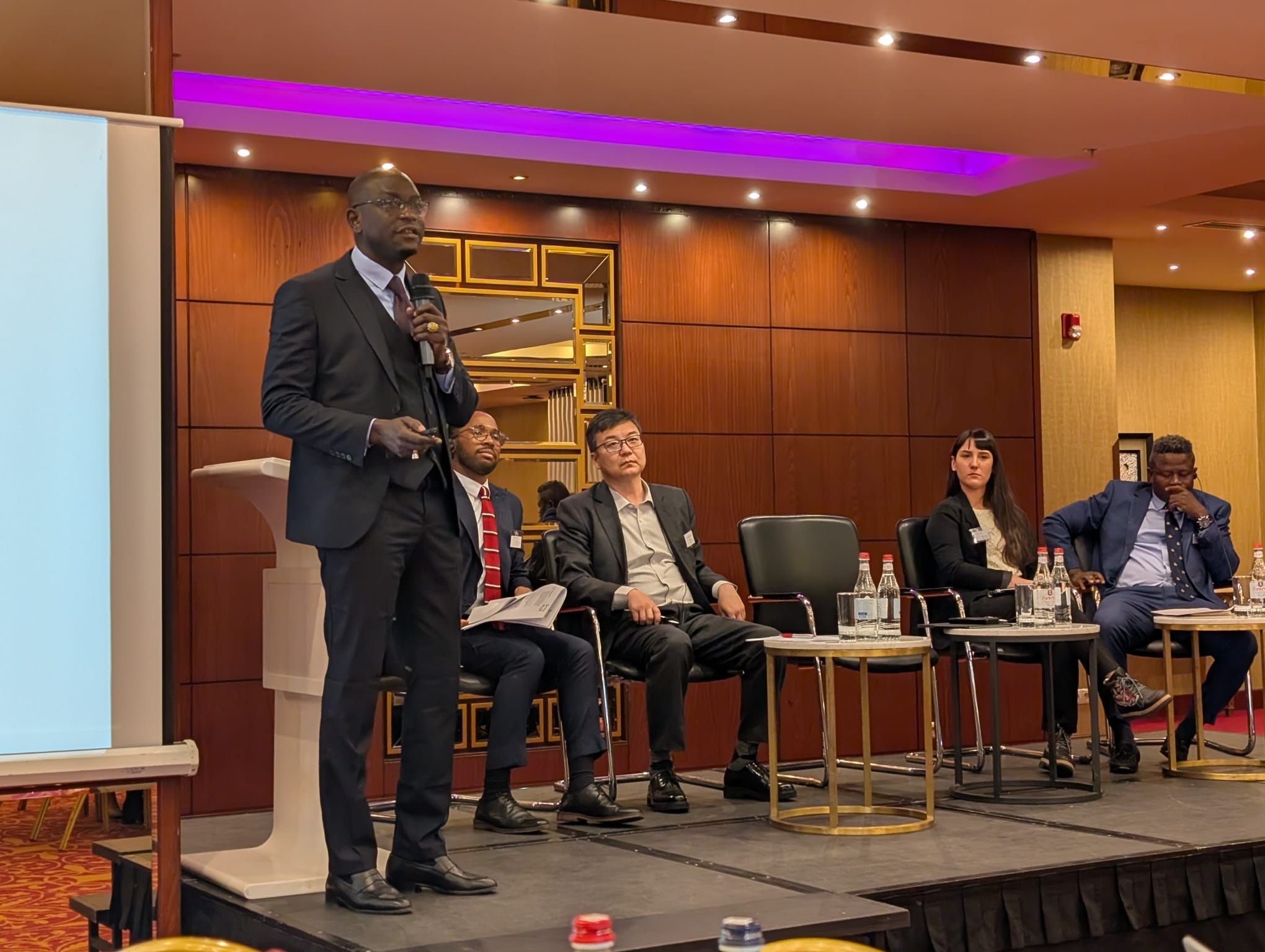
Thialy Faye, Chair of Senegal's EITI multi-stakeholder group, presents at the Opening Extractives Global Peer Learning Exchange in Armenia in 2025.
Conclusion
Senegal’s experience offers valuable lessons for countries seeking to balance legal complexity with transparency goals. Progress in advancing beneficial ownership transparency reflects sustained advocacy, capacity building and legal reform, supported by the Opening Extractives programme. Opportunities remain to build on this work, including operationalising public access to the register, enforcing prior declaration before licensing, clarifying definitions of politically exposed persons (PEPs) and ensuring company ownership complies with local content policies.
“The disclosure of beneficial owners has become a critical tool for strengthening accountability. Understanding beneficial ownership transparency enables institutions to identify the real individuals behind legal entities and ensure that laws governing public procurement, licensing and extractive sector regulation are effectively applied. This marks an important step in embedding transparency within the legal and administrative framework of the state.” – Dr Moustapha Fall, Faculty of Law, Cheikh Anta Diop University of Dakar
Funding
The Opening Extractives programme is made possible with the generous support of the BHP Foundation.
This impact story includes contributions from Papa Alioune Badara Paye (Country Advisor, Francophone Africa EITI), Alice Perepyolkina (Communications Officer, EITI) and Leila Pilliard (Communications Manager, EITI).