Connecting scholars and practitioners: Open Ownership’s research partnerships

Photo by Alan Aprilio on Unsplash.
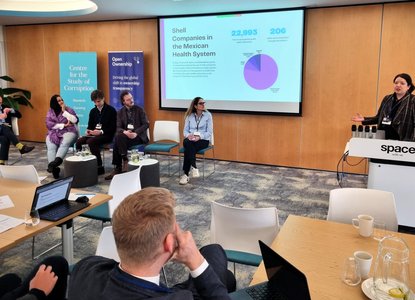
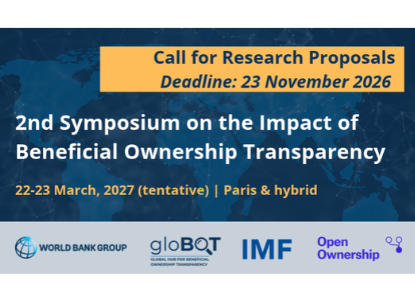
Open Ownership’s (OO) engagement with academia has been building for some time. Most recently, we co-organised the Research Symposium on the evidence and impact of beneficial ownership transparency (BOT), held with the World Bank’s BOT Thematic Working Group and the Centre for the Study of Corruption at the University of Sussex in February 2026. This built on an earlier Symposium on Systems of Financial Secrecy, co-organised in 2024 with the London School of Economics International Inequalities Institute, which brought together academics and practitioners to share research and discuss policy developments on financial secrecy. OO’s BOT Evidence and Measurement (BEAM) programme is now building on this foundation, creating new opportunities to further strengthen and expand academic collaborations.
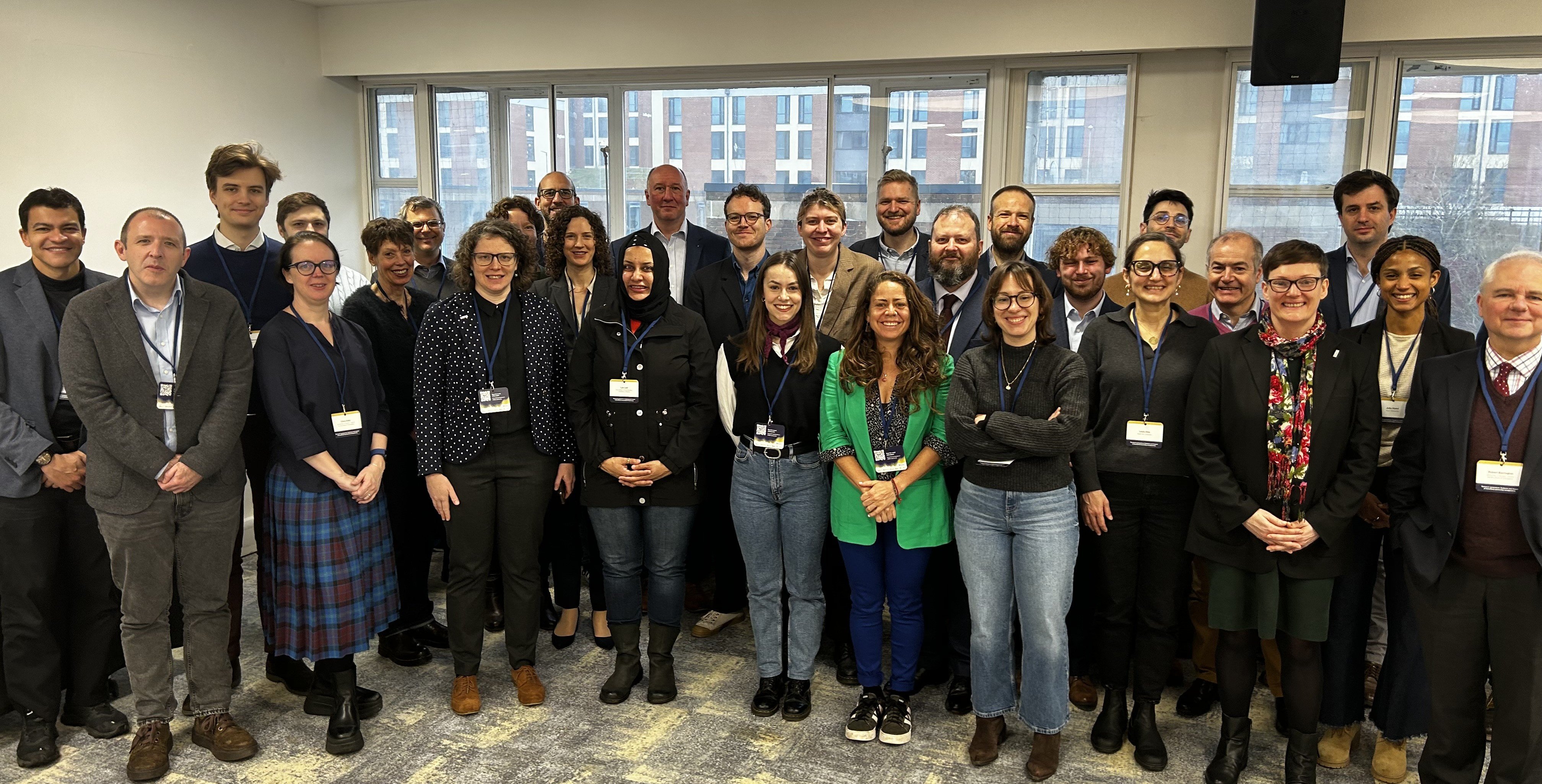
Participants at Open Ownership’s 2026 Research Symposium on the evidence and impact of beneficial ownership transparency
In this blog post, we highlight some of our academic partnerships from across the world, each contributing a unique, complementary piece to the puzzle of understanding and measuring BOT’s impact. Brought together, these partnerships show how academic engagement is generating and building on this evidence base, while connecting research with policy and practice.
Why academic partnerships matter for reforms
Strengthening the evidence base – as well as our ability to measure the real-world impact of BOT reforms – is central to assessing and improving the effectiveness of implementation and sustaining the case for continued progress. Academic partnerships are one of the clearest ways to do this: they bring rigour, an independent perspective, and methodological depth to questions that OO and our partners care about in practice, in a way that is symbiotic with OO’s implementation and advocacy work. Independent research helps institutionalise learning and connects policy with practice, reinforcing the overall case for BOT reform.
What makes OO’s academic engagement particularly valuable is its breadth. These partnerships span complementary areas, from data use and institutionalisation to asset transparency, comparative implementation studies, and public procurement, while also contributing to the wider evidence and impact measurement agenda through joint initiatives. They also vary in form: alongside in-depth research partnerships, OO is creating ways to platform independently led work.
The launch of the BOT Evidence Centre, a new public library of research, investigations, and country cases on BOT’s impact compiled and maintained by OO, aims to make existing evidence easier to find and build upon. In addition, we are co-editing a special issue in the Journal of Money Laundering Control, encouraging submissions of empirical, quantitative, and mixed-methods research which examine real-world outcomes from BOT reform.
Partnership showcase
The following collaborations bring this breadth to life, each illustrating a different piece of the puzzle.
Mapping and evidencing beneficial ownership data use in Botswana
Botswana established a central beneficial ownership (BO) register for legal entities in 2019, administered by the Companies and Intellectual Property Authority (CIPA). The country’s next round of Mutual Evaluation by the Eastern and Southern Africa Anti-Money Laundering Group is scheduled for 2027. With this, there is evidence that BO data is actively being used by authorities to deliver real outcomes beyond implementation.
To help build this evidence, OO has partnered with the University of Botswana’s Institute for Combating Illicit Financial Flows (ICIFF), established by the Government of Botswana in 2024 to strengthen anti-money laundering research and capacity. The partnership builds on OO’s existing engagement in the country: first, through the Southern African Regional Data Sharing Initiative, OO is working with agencies from Botswana, Namibia, and South Africa to develop practical pathways for exchanging data between corporate and other registries; and second, through participation in ICIFF’s own National Dialogue on Illicit Financial Flows, which brought together government, law enforcement, and civil society to discuss collective responses to these flows. At the Dialogue, OO shared regional lessons on the progress and evolution of BOT among countries in the Africa Beneficial Ownership Transparency Network, a member-led initiative convened by the African Development Bank and the United Kingdom government, with support from OO.
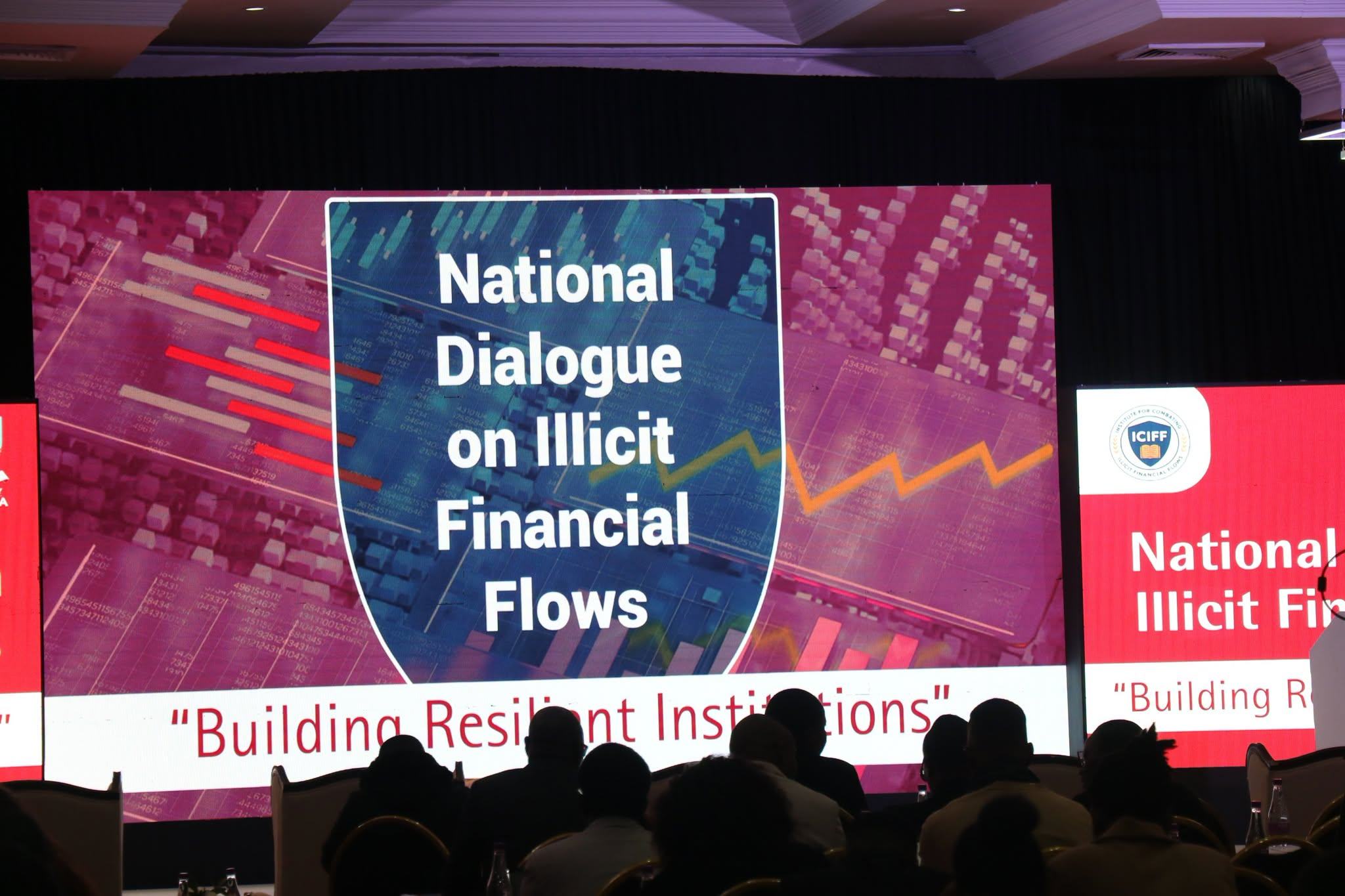
The “Building Resilient Institutions” National Dialogue on Illicit Financial Flows, hosted by the University of Botswana's ICIFF, 2026
Together, ICIFF and OO will map how a range of authorities currently access and use BO data, and identify where legal or technical barriers limit that use. These authorities include CIPA, as register operator, along with the anti-corruption authority, the tax authority, the financial intelligence unit, and the procurement regulator. The partnership will also document concrete cases where BO data has supported tangible institutional outcomes, from anti-corruption investigations to financial intelligence analysis, contributing to both Botswana’s Mutual Evaluation and OO’s BEAM programme.
What makes this partnership a strong opening example is its triangulation of academia, government authorities, and the broader stakeholder community engaged through the National Dialogue, alongside the depth of engagement it has generated in a relatively short time.
Asset transparency for accountability
Most anti-corruption transparency tools – from asset declarations to freedom of information laws – are designed to hold public officials accountable. Illicit financial flows, however, increasingly move through private actors, companies, trusts, and other legal vehicles, opening a gap that these instruments were never built to close.
This is the starting point for a paper co-authored by OO and Fabiano Angélico, Postdoctoral Researcher at the Università della Svizzera italiana, which was presented in July 2026 at the 5th International Workshop on Public Policy in Ottawa, Canada. The paper argues that because state-operated registers such as land and company registries capture private transactions rather than public officials’ conduct, they are structurally well placed to bridge the gap for effective asset transparency when they are designed to be connected.
The argument draws directly on OO’s working paper on land and BO registers, which compares four systems of registration of land and company ownership. This empirical grounding gives the policy argument a concrete evidentiary base, showing how design choices around identifiers and interoperability directly shape to what extent ownership networks behind assets can be understood.
Progressive paths to beneficial ownership transparency in Latin America
Neither Chile nor Mexico yet has a fully operational, centralised BO register, but both are advancing sector-based reforms and pilot initiatives that lay the groundwork for more integrated systems. Chile is collecting and analysing BO information of public procurement bidders and awardees, part of a broader approach to BOT implementation that is paving the way towards a future national register, while Mexico has been laying the foundations for BOT through interoperability efforts and subnational pilots.
This comparative angle is at the centre of a partnership with Manuel Arís, Professor of Ethics at the Universidad Alberto Hurtado in Chile, and Fernando Nieto Morales, Associate Professor of Public Administration at El Colegio de México. Together with OO, they co-authored a journal article examining the legal, institutional, and technical conditions shaping BOT progress in Chile and Mexico. The article argues that where a country lacks the conditions for a centralised BO register, advancing progressively through strategic sectors can be a viable and effective way forward. The research was presented at the Academia against Corruption in the Americas (ACA) Conference and at a dedicated ACA forum seminar with researchers and practitioners from across the region.
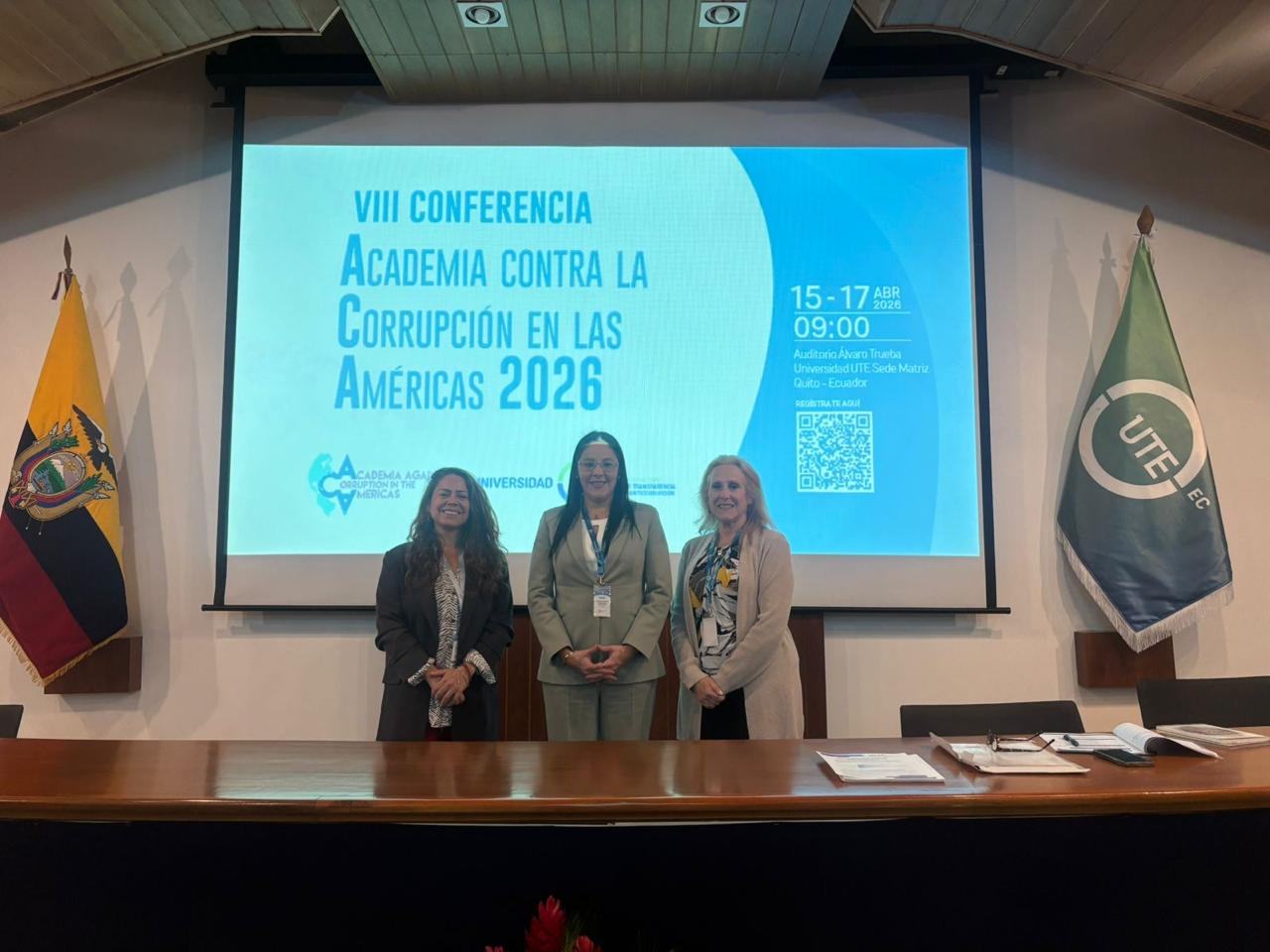
Panelists at the “Civil Society Initiatives against Corruption” panel, 8th ACA Conference, 2026
In parallel, OO and Manuel Arís produced a journal article on Chile’s trajectory on BOT, arguing that although reform has so far largely been reactive and often driven by corruption scandals, recent progress – including the reformed Public Procurement Law and the pending National Beneficial Ownership Register Bill – offers an opportunity to shift towards a more preventive approach, while flagging challenges around coverage, institutional capacity, and access to information.
Uncovering the online market for shell companies
Shell companies are central to how the proceeds of financial crime move across borders, yet the market that supplies them online has had little empirical study until recently. The EconCrime Lab at Université de Montréal and the Centre for Digital Trust and Society at the University of Manchester are working alongside the Tax Justice Network (TJN) to research this topic, with support from OO.
Using web-scraping techniques across dozens of languages, the team is building a comprehensive picture of the suppliers offering pre-incorporated, “off-the-shelf” companies for sale online, including their pricing, jurisdictions, and services, and mapping how suppliers and jurisdictions connect to one another through social network analysis. The research builds on their earlier empirical overview of the online shelf company market, expanding its scope and drawing on TJN’s own datasets, including its Financial Secrecy Index, to further understand opaque patterns and jurisdictional dynamics. OO’s contribution has centred on BO register data, analysing how these companies are structured, operated, and ultimately owned across several jurisdictions.
Related work, on which OO and TJN partnered as co-authors, was shared alongside research partners at the Insights into Beneficial Ownership and Economic Crime conference at the University of Montreal.
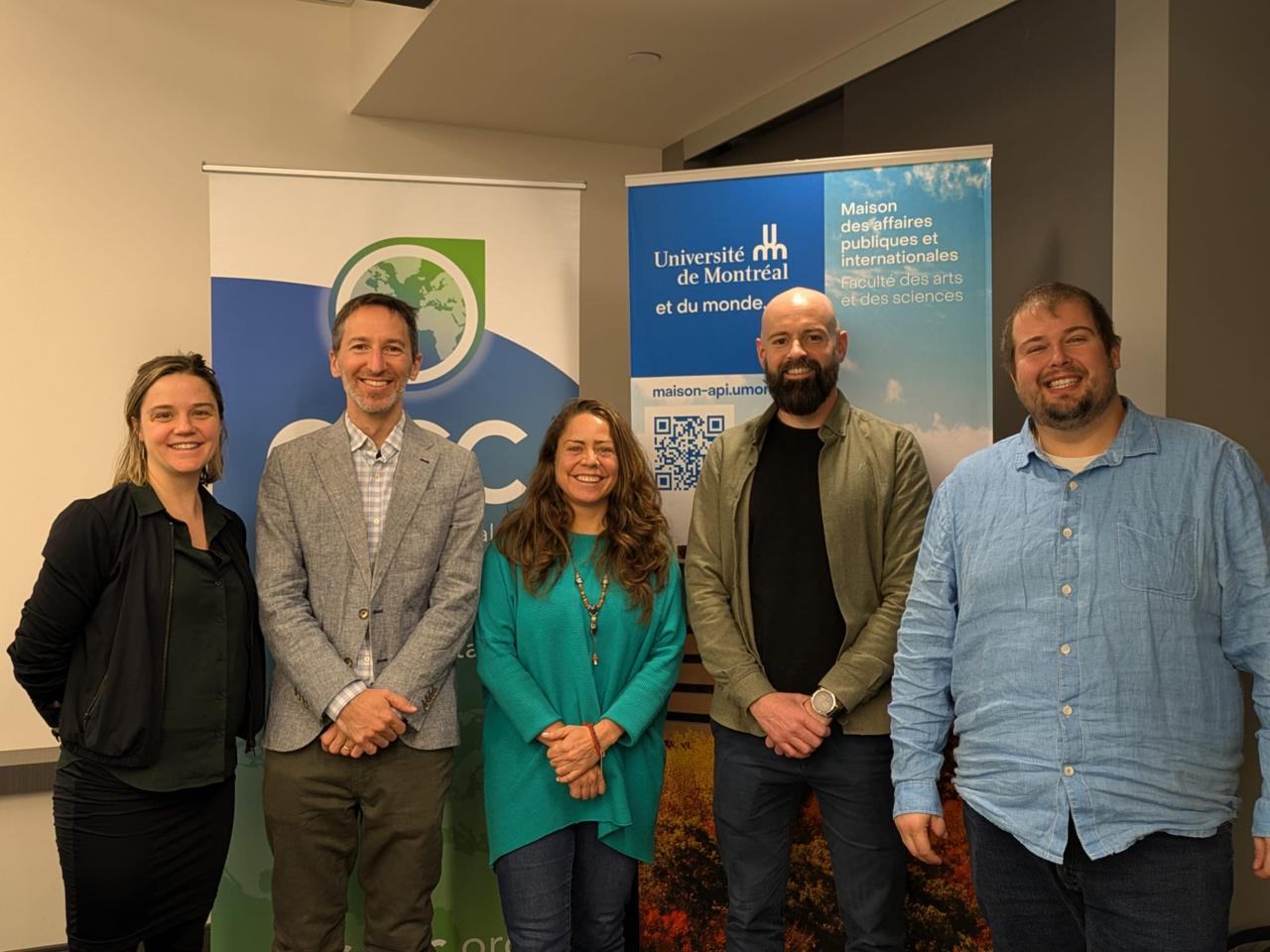
Speakers at the “Insights into Beneficial Ownership and Economic Crime” conference, hosted by the University of Montreal, 2026
Strengthening beneficial ownership data capacity across public finance
Translating BO reform into practice often requires more than legal provisions: it requires building shared understanding among the officials expected to use the data day to day. This is the focus of a growing set of partnerships combining consultancy, research, and capacity-building support to help government agencies put BO data to practical use.
OO worked with expert consultants Ondrej Blažo, Professor of European Union law at Comenius University Bratislava, and Daniel Zigo, Assistant Professor at the same university, to co-author guidance on measuring the impact of BOT in public procurement. A subsequent workshop in the Philippines helped translate this guidance into practice, and test it against real-world conditions. This tied into OO’s broader partnership with the Department of Education, formalised through a memorandum of agreement to pilot the use of BO data in procurement.
A related consultancy engagement with Mihaly Fazekas, Professor at the Department of Public Policy of the Central European University, is developing public procurement risk-flagging methodologies to detect collusion and conflicts of interest using BO data in a few countries, producing practical documentation alongside capacity-building activities. Beyond procurement, a new pilot with the International Tax Observatory, a research institution working on tax policy and illicit financial flows, is applying the same logic to tax administration, developing a methodology that combines BO register data with tax records to detect ghost companies and fraudulent invoicing, with the aim of leaving national authorities with a repeatable, adaptable tool for future use.
Building on a shared agenda
Taken together, these collaborations show the breadth of what academic engagement can contribute to BOT reforms. A common thread runs through all of them: none of this evidence could have been generated by academia, consultancy, government, or civil society alone. Each partnership leverages expertise across these groups, and each does so in a different region, reflecting a deliberately global evidence base rather than one built around a single context or model of reform.
Behind each of these collaborations is an effort to build long-term relationships between academics and practitioners, rather than one-off exchanges. This is the agenda the BEAM programme is built to advance. The work is far from finished, with further opportunities already in the pipeline. If you are a researcher, practitioner, or funder working on BOT, public fund management, or a related field, please keep an eye out for more from this growing agenda. We welcome the chance to explore how your work could connect.